Chacha: Georgia's Grape Spirit and Where to Drink It in Tbilisi
What's in the glass, how strong it runs, how to drink it at a table and where to start

Chacha is what's left of the wine harvest, run through a still: a clear grape spirit that Georgians pour into small glasses, raise with a toast and follow with food. It's strong, it turns up everywhere from wine cellars to 4 AM bars, and it rewards a little knowledge. This page covers what it is, how strong it runs, what the law says it can be, how to drink it and where to try it in town.
Quick summary
- Chacha is a clear brandy distilled from the grape skins, pips and stems left after winemaking, closer to grappa than to vodka, and a protected Georgian name since 2011.
- Bottled chacha usually starts at about 40%, its protected name caps it at 75%, and a homemade bottle carries no label to tell you where it sits between the 2.
- Drink it neat, 1 small glass per toast, with food on the table, and sip the first one rather than throwing it back.
- Beyond the clear classic come 3 more styles: golden oak-aged, fruit (fig, mulberry, quince) and house-infused, and only the grape-based ones can carry the protected name.
- In Tbilisi a 6-pour chacha tasting cost 40 GEL at one wine bar in 2024, a chacha bar in Sololaki pours 5-glass tasting sets, and plenty of wine tastings end on a glass of it.
What chacha is
Chacha is what Georgian wine leaves behind. Once the wine comes off its skins, pips and stems, that leftover mass goes into a still, and the clear spirit that comes out is chacha.
In a Georgian cellar the word came first. The National Wine Agency's page on qvevri winemaking uses chacha for the skins and pips a wine ferments on, the same skins that turn amber wine gold, and the spirit took its name from them.
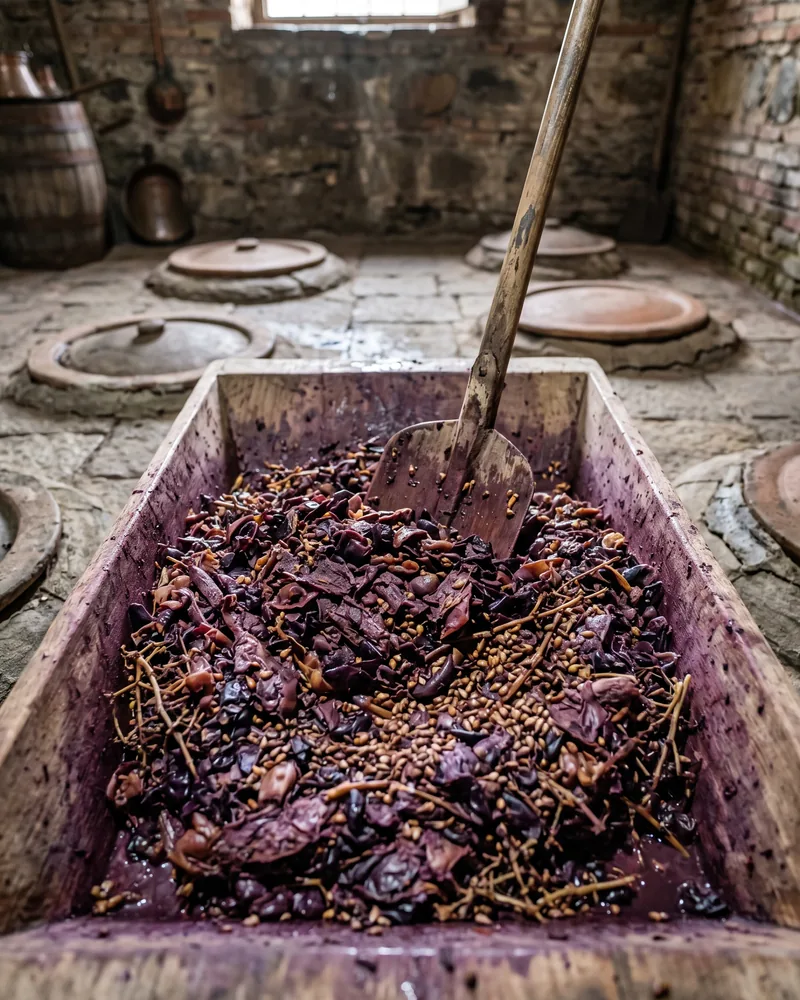
You'll hear it called Georgian vodka, and it isn't. Vodka is usually distilled from grain or potatoes and made to taste of very little; chacha is a pomace brandy, the same family as Italian grappa, and it keeps some character from the grapes it was made from.
How chacha is made
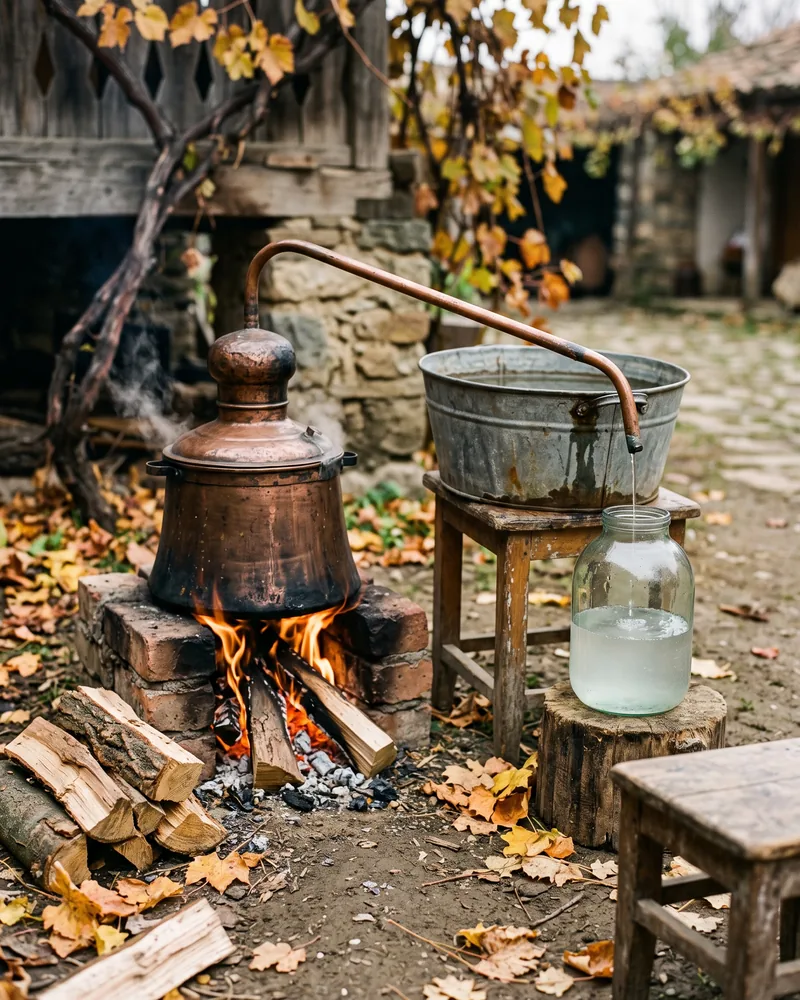
The traditional method is simple enough to run at home, which is why so many Georgian families, and some Tbilisi restaurants, pour their own. WIPO's write-up of chacha's protected name sets out the steps.
- The pomace left after winemaking is sealed in a container, traditionally oak or another wood, and left for at least a month to ferment.
- The fermented pomace goes into a closed vat with a fire lit underneath, and the heat drives the alcohol off as vapour.
- The vapour runs through a cooling pipe, condenses and drips out into a bottle as spirit.
Producers take it further. The chachas Chacha Time features on its Instagram include one made from Rkatsiteli and Mtsvane, triple distilled and aged in Caucasian oak, and another from Rkatsiteli and Saperavi, the same grapes Georgian winemakers grow for the wine itself.
How strong is chacha
Bottled chacha usually starts at about 40%. WIPO describes the drink as 40% or stronger, and the 2 house bottlings Chacha Time pours, a classic and an oak-aged one, are both 40% according to the bar's Instagram.
That makes it the strongest of the traditional Georgian drinks by a distance, roughly 3 times as strong as a glass of dry Saperavi. The legal ceiling is 75%, and homemade chacha, the source of most chacha stories, can run far stronger than a shop bottle with nothing on the jug to say so.
What counts as chacha under Georgian law
Chacha is a protected name. Georgia's Ministry of Agriculture registered it as a geographical indication on 13 December 2011, so a bottle sold as chacha has to meet a written set of rules.
| Rule | What it says | What it means for you |
|---|---|---|
| Raw material | Grape pomace, the solids left from winemaking | Fig or mulberry spirit is chacha by custom, not by the protected name |
| Where the grapes grew | 1 or more of Georgia's 10 wine regions | Pomace from abroad doesn't qualify |
| Where it's made | Distilled and bottled anywhere in Georgia | A Tbilisi distillery can make it from Kakhetian pomace |
| Distillation | By water or steam | It's a distilled grape spirit, not flavoured vodka |
| Strength | No more than 75% alcohol | The cap is a ceiling; shop bottles usually sit near 40% |
| Added flavour | Natural aromas allowed, named on the label | A flavoured chacha has to say so |
So the label does your homework: it gives you the strength, any added flavouring and, on the better bottles, the grapes. A bottle with no label isn't covered by any of this, and that's the one to pace.
Clear, oak-aged, fruit and infused chacha
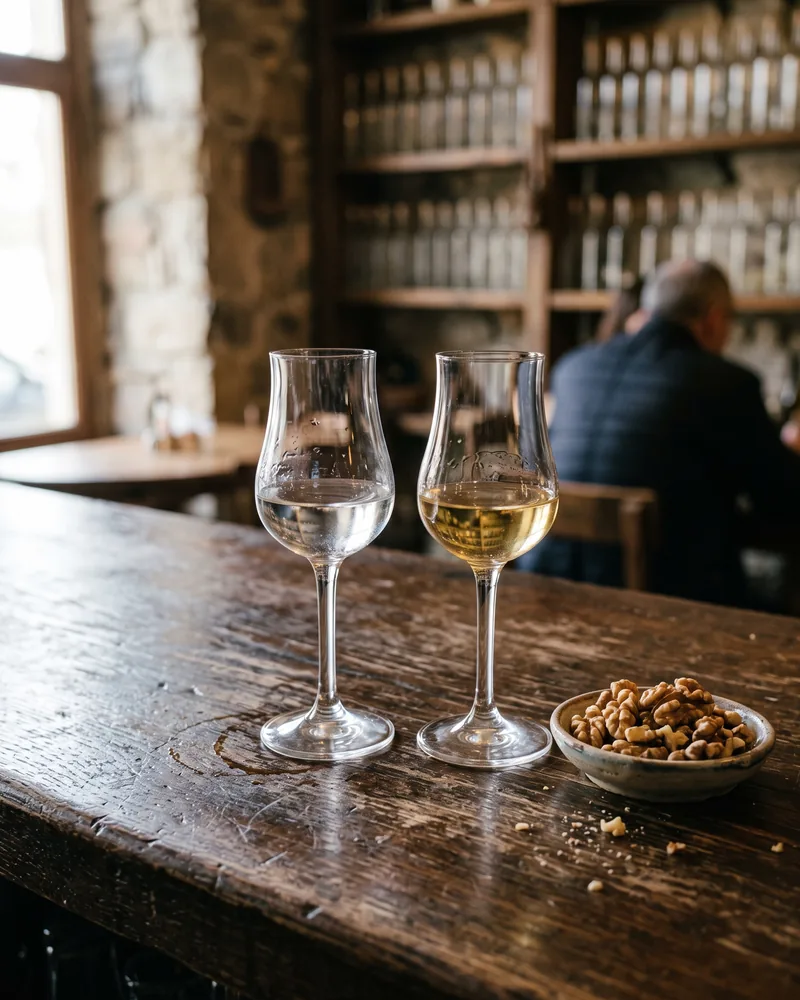
Most chacha is clear and unaged, and that's what you'll get if you simply ask for a chacha. Beyond it sit 3 more styles worth knowing before you face a long list.
| Style | What it is | Where you'll meet it in Tbilisi |
|---|---|---|
| Classic | Clear and unaged, from grape pomace | Bars, restaurants and the end of a wine tasting |
| Oak-aged | Rested in oak and golden in the glass; Chacha Time's Instagram credits the oak with vanilla and spice | Tasting sets, wine shops, and one shop that sold it from the barrel |
| Fruit | Distilled from fig, mulberry, quince or feijoa instead of grapes | Chacha Time lists all 4 among its 40+ chachas |
| Infused | Grape chacha steeped with something else, such as garlic and chilli | Small bars that make their own, such as Sonder Bar |
How to drink chacha, and what to eat with it
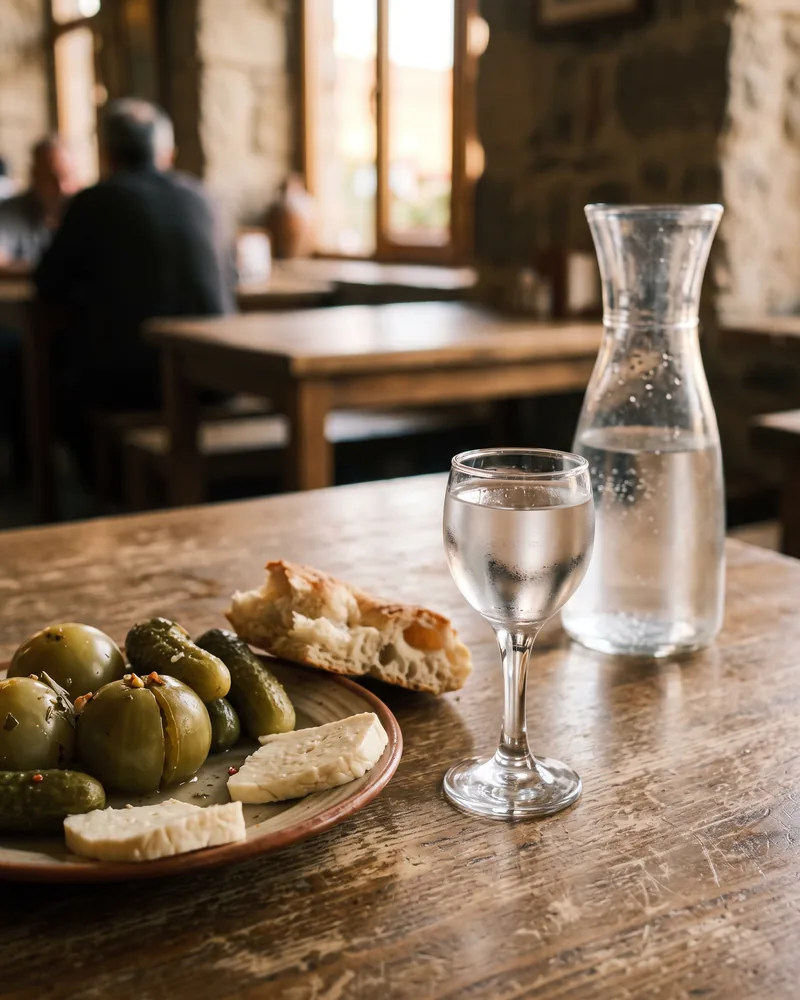
Chacha is a table drink. At a supra it arrives with a toast, you drink when the toast ends, and there's food in front of you the whole time, which is the point.
Drink it neat from a small glass and leave the ice and mixers to the cocktail bars. Sip the first one: at 40% or more, a slow start is what keeps you at the table for the later toasts, and on a pub crawl 1 chacha is a toast while 3 is the night.
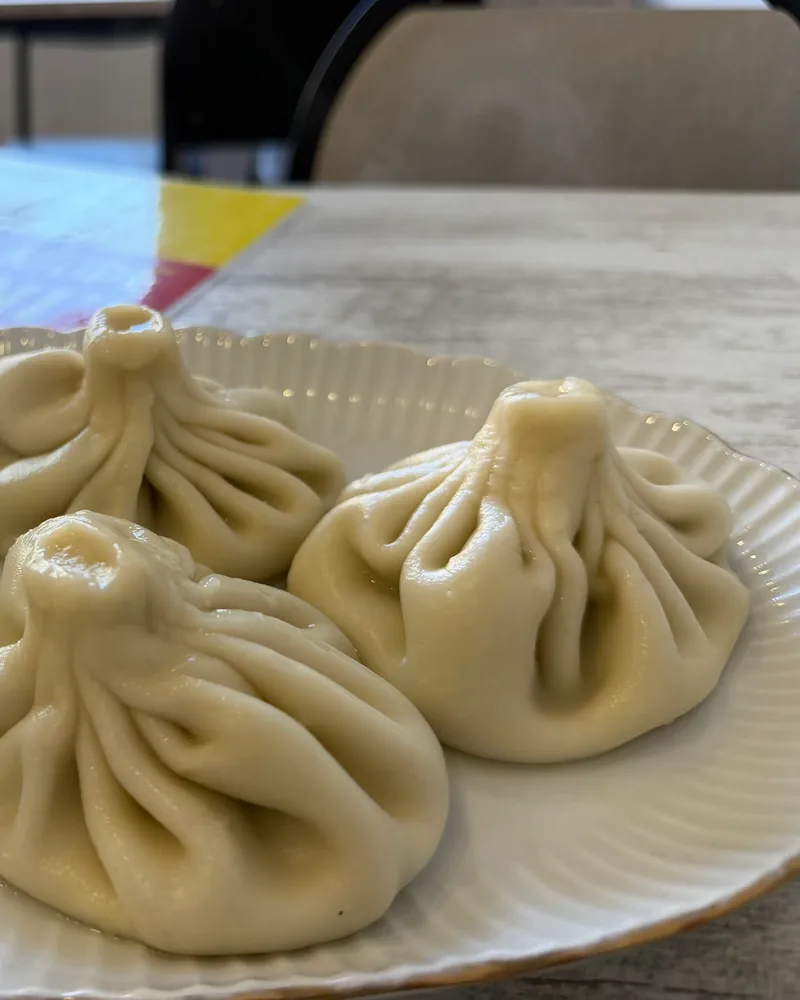
Food is the other half. Salty, fatty and sour things work best, so think pickles, cheese, grilled pork and a plate of khinkali, the classic partner, where the hot broth follows the spirit.
Expect to be offered it, too. One reviewer was handed a shot of chacha as a hello at The Embassy Bar, and one guest's review of a home cooking class ends with a friendly warning to watch out for the chacha.
Where to drink chacha in Tbilisi
Start at a bar that takes it seriously. Chacha Time, one of the best bars in Tbilisi, calls itself Georgia's first chacha museum, and one reviewer's tasting set came with a bartender's account of where chacha comes from.
- After a wine tasting: plenty of wine tastings end on a glass of chacha. One reviewer took 5 wines with a chacha at Nino Meris Wine Selection, and another says Vinoground finished its tasting with one.
- With dinner: order the house chacha where the kitchen makes its own. One reviewer's homemade chacha at Kneina turned out to be a strong liquor, and Tbileli lists homemade chacha next to its natural wines.
- With a Georgian lunch: one reviewer rated the chacha at Cafe Irioni the best they'd had in Tbilisi, and another paired it with the chakapuli.
Chacha cocktails and infusions
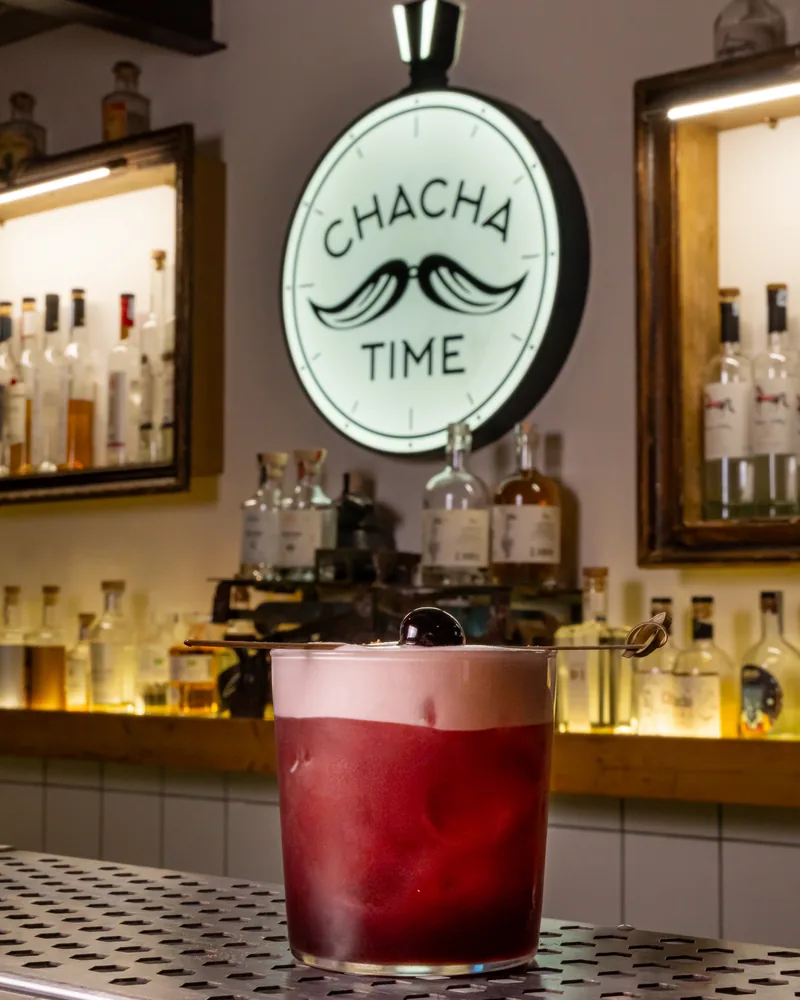
Cocktail bars use chacha where you'd expect vodka or pisco. At Chacha Time one reviewer came back about 4 times for a berry chacha sour, and at Crossroads Bar a cocktail called the Sololaki mixes smoked chacha with sangrita and lemon, a sweet-smoky take on a Bloody Mary.
If the strength makes you nervous, this is the gentle way in. A cocktail spreads one measure across a whole glass, with juice and ice doing the work a plate of pickles does at a supra.
Where to buy chacha to take home
Buy a labelled bottle, not a mystery jug, from one of the wine shops that stock chacha alongside the wine. One reviewer at Wine Store Orbeliani mentions a 6 GEL cushioned wrap for anyone buying wine or chacha, and another bought chacha straight from an oak barrel at Winery Khareba in 2025.
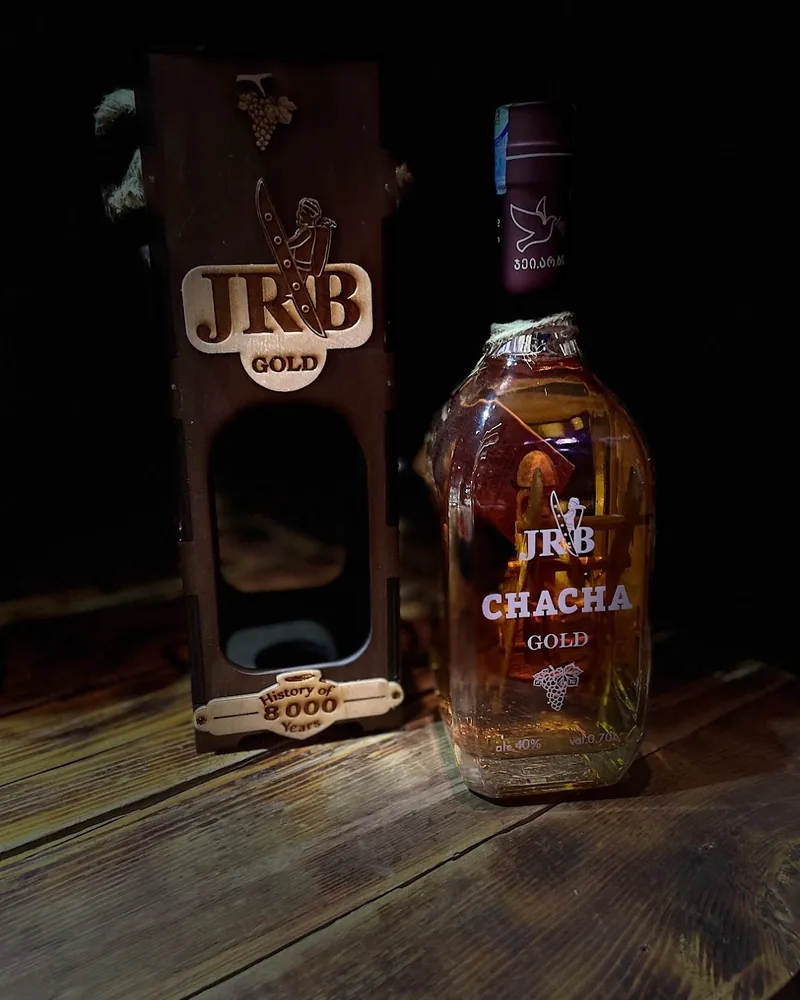
Oak-aged chacha is one of the easier things to bring home. It's sealed, it doesn't spoil, and a bottle that comes in a wooden gift box does the wrapping for you.
Frequently asked questions
Is chacha the same as vodka?
No, chacha is a grape pomace brandy, much closer to Italian grappa than to vodka. It's distilled from the skins, pips and stems left after winemaking rather than from grain or potatoes. Bottled chacha usually starts at about 40%, the same as most vodka, but it keeps some character from its grapes.
How strong is chacha?
Bottled chacha usually starts at about 40% alcohol, and its protected name allows up to 75%. Homemade chacha is the one to watch: it can be much stronger than a shop bottle, and it comes with no label to tell you. Sip the first glass before you decide how many toasts you're in for.
How do you drink chacha?
Drink chacha neat from a small glass, with a toast and with food on the table. Sip rather than shoot if you're new to it, keep water nearby and eat between rounds: pickles, cheese, grilled pork and khinkali are the classic company. Save the ice and mixers for a cocktail bar.
Where can I try chacha in Tbilisi?
Chacha Time in Sololaki is the obvious start: it lists 40+ chachas, sells tasting sets of 5 and is open daily until 2 AM. For a guided tasting, Sancho Wine Bar runs chacha tastings by arrangement, and plenty of wine tastings, Karalashvili Wine Cellar's among them, pour chacha alongside the wine.
How much does a chacha tasting cost in Tbilisi?
A 6-chacha tasting at Sancho Wine Bar cost 40 GEL in one 2024 review, against 50 GEL for its 7-wine tasting. Some wine tastings fold a chacha into the flight: one reviewer's 7-wine tasting at Wine Store Orbeliani came with a shot of it, and Nino Meris Wine Selection offers 5 wines with a chacha.
What is golden chacha?
Golden chacha is chacha rested in oak, which gives it its colour and, going by producers' own notes, vanilla and spice. It isn't necessarily stronger: Chacha Time's oak-aged house bottling is 40%, the same as its clear one. If the label doesn't say oak-aged, ask how it was made before you pay extra for the colour.