Georgian Wine: What to Drink and How to Order It in Tbilisi
Qvevri, amber, Saperavi and the semi-sweet reds, plus what to order and what it costs in Tbilisi

Georgian wine comes in more shapes than most visitors expect: gold whites fermented on their skins in buried clay jars, inky dry Saperavi, and a few famous reds that are semi-sweet by law. This page covers what's in the glass, how to read a Tbilisi wine list when most of the big names are villages, what to order first and what you'll pay.
Quick summary
- Georgian winemaking goes back about 8,000 years, and its signature is the qvevri, a buried clay jar whose method UNESCO listed in 2013.
- Most big names on a wine list are places, not grapes: Mukuzani is dry Saperavi, Kindzmarauli is semi-sweet Saperavi, Tsinandali is at least 85% Rkatsiteli.
- Start with 3 glasses: an amber, a dry Saperavi and a semi-sweet Kindzmarauli or Khvanchkara.
- A glass ran about 20 GEL at Tbilisi wine bars in 2026 reviews, and bottles start around 20 GEL.
- Draft wine from a shop's tank is the cheapest route, at 10 to 20 GEL a litre in 2023 and 2024 reviews.
- Under the appellation rules, dry means 4 g of sugar per litre or less, while Kindzmarauli carries 18 to 45 g.
Why Georgian wine is famous
Georgia's claim to be the oldest wine country rests on chemistry: tartaric acid, the fingerprint of grape wine, in clay jars from 2 Neolithic villages about 50 km south of Tbilisi, dated to about 6000 to 5800 BC. The researchers behind the 2017 study in PNAS called it the oldest known wine made from the Eurasian grapevine.
The other half of the story is the qvevri, an egg-shaped clay jar that's filled with crushed grapes, sealed and buried in the ground. UNESCO put the qvevri winemaking method on its intangible heritage list in 2013: the method, not the jar or the wine.
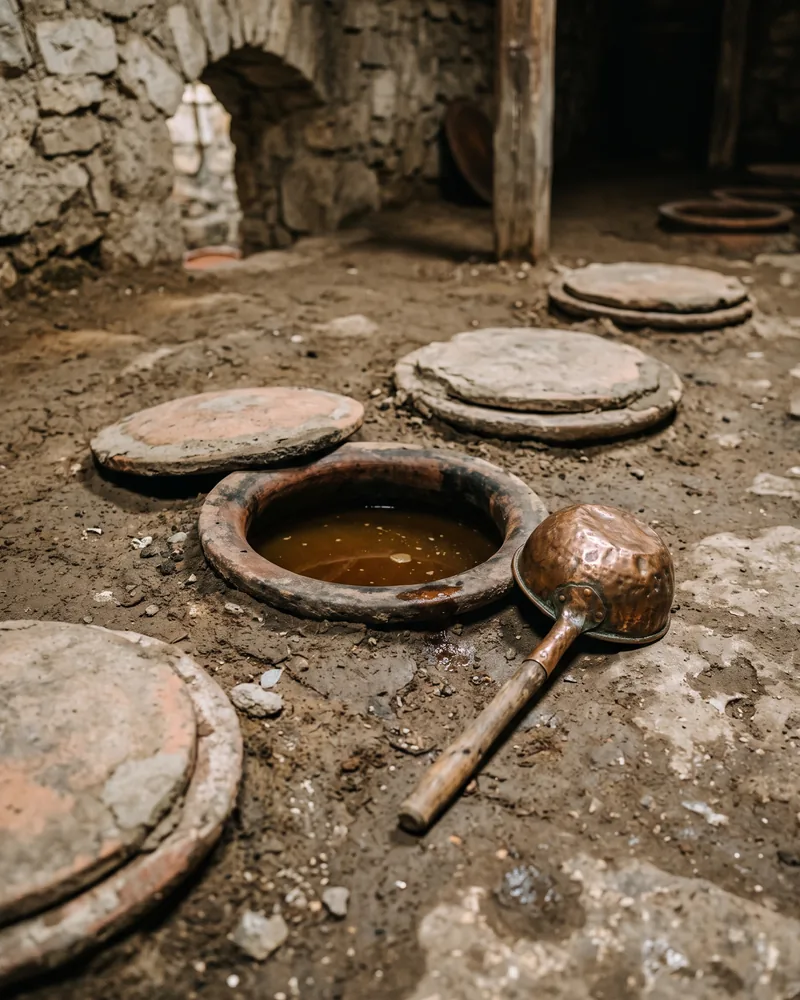
How qvevri wine is made
Everything goes into the qvevri: the juice, the skins, the stalks and the pips. That mass of skins and pips is called chacha, and the grape spirit distilled from it took the same name.
Underground, the jar holds a steady 13 to 15 C while the wine ferments. Reds come off their skins after 7 to 10 days, but Kakhetian whites stay on them until spring, according to the National Wine Agency, and that's where amber's colour and grip come from.
Imereti, in the west, uses at most a third of the skins for about 2 months, so its whites carry less tannin. Plenty of Georgian wine is made the European way in steel or oak, and qvevri wine is a minority, so look for the word on the label if the jar is what you're after.
Georgian wine styles: amber, red, white and semi-sweet
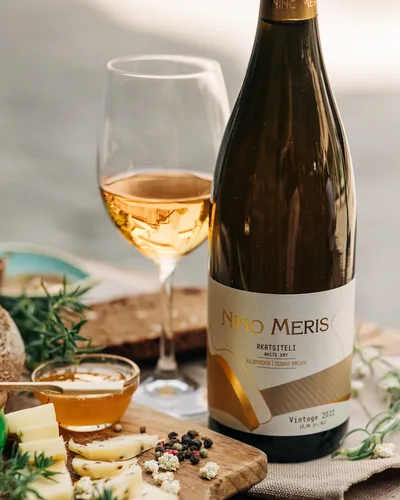
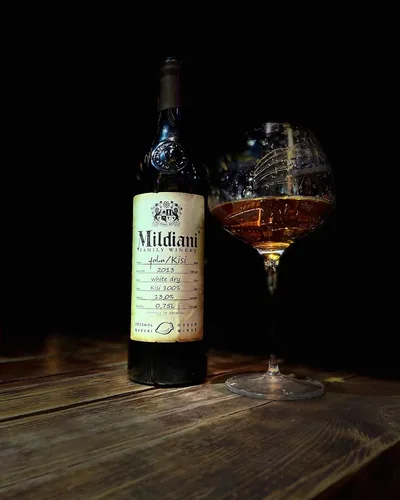
Amber is the style Georgia is known for abroad: white grapes left on their skins for months, which turns the wine gold or the colour of strong tea and gives it a little tannin. The rest of the world says orange wine, but here it's amber wine, and it's usually dry.
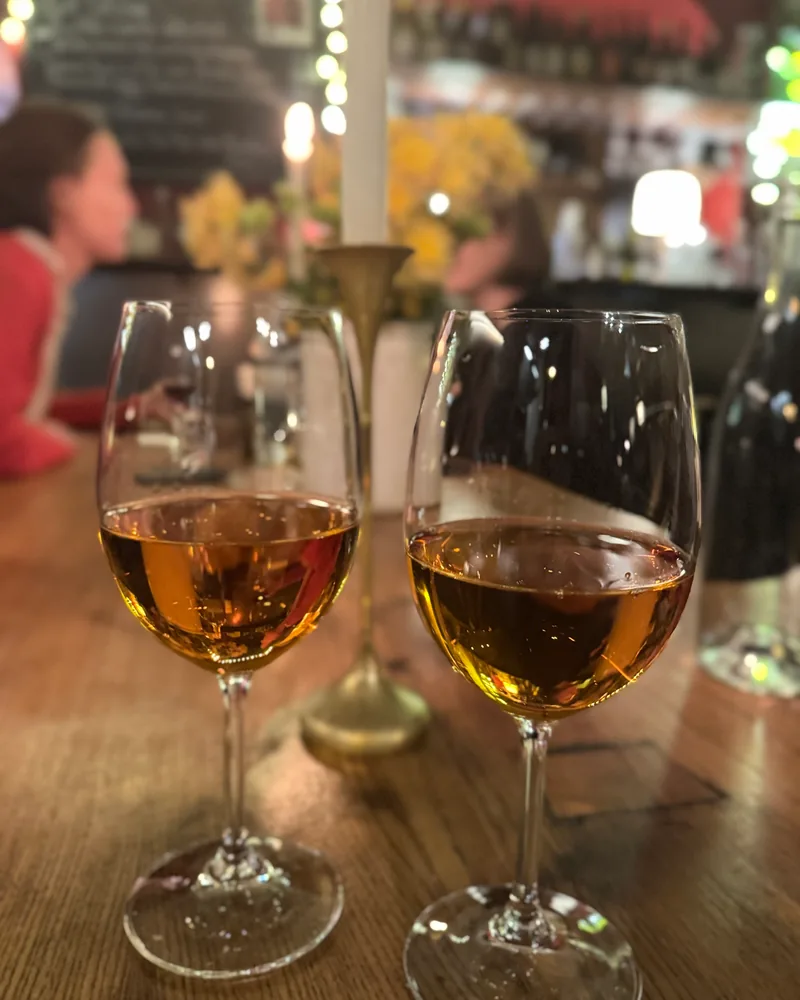
Saperavi is the red: red inside as well as out, inky and often opaque, with dark berries, firm tannin and high acid. It's made dry, semi-sweet, sweet and fortified, which explains most of the confusion on a Tbilisi wine list.
Rkatsiteli is Georgia's most planted grape, crisp with citrus and apple from a steel tank and all honey and apricot from a qvevri. Mtsvane, Kisi and Khikhvi are the other whites you'll meet, 3 of more than 500 native grape varieties. For sparkling and European-style wine, the region to know is Kartli.
Don't write off the semi-sweet reds as dessert wine: one reviewer at Lavera, a 24-hour Georgian restaurant, had help choosing the wine and came away calling Khvanchkara a favourite. Kindzmarauli and Akhasheni are semi-sweet Saperavi, and Khvanchkara comes from 2 grapes grown in Racha, Aleksandrouli and Mujuretuli.
How to read a Georgian wine list
Most of the famous names on a Georgian wine list are places, not grapes. The National Wine Agency's register holds more than 30 protected appellations, each with rules on grape, style and sugar, so Mukuzani and Kindzmarauli are both Saperavi, one dry and one semi-sweet.
| On the list | Grape | Style | Region |
|---|---|---|---|
| Mukuzani | Saperavi | Dry red | Kakheti |
| Napareuli | Saperavi | Dry red | Kakheti |
| Kindzmarauli | Saperavi | Semi-sweet red, 18 to 45 g/l | Kakheti |
| Akhasheni | Saperavi | Semi-sweet red | Kakheti |
| Khvanchkara | Aleksandrouli and Mujuretuli | Semi-sweet red, 30 to 45 g/l | Racha |
| Tsinandali | Rkatsiteli, 85% or more | Dry white | Kakheti |
| Manavi | Mtsvane Kakhuri | Dry white | Kakheti |
| Kisi Magraani | Kisi | Dry white or dry amber | Kakheti |
| Tvishi | Tsolikouri | Semi-sweet white | Lechkhumi |
| Atenuri | Chinuri | Sparkling | Kartli |
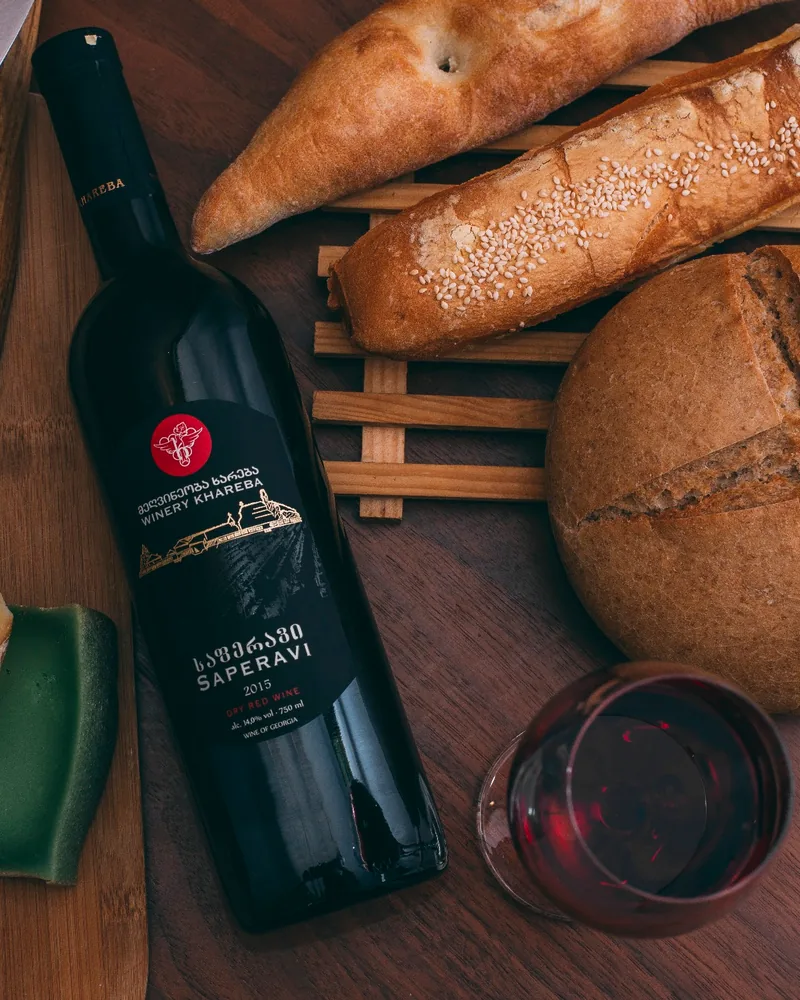
Which Georgian wine to order first
Drink across the styles instead of 3 glasses of the same thing, and start from what you already like at home. The table does the translating.
| If you drink | Order | Why |
|---|---|---|
| Crisp dry whites | Tsinandali, Manavi or a tank-made Mtsvane | Citrus and white peach, no skin tannin |
| Orange or natural wine | A Kakhetian amber from qvevri | Months on the skins, at the source |
| Big dry reds | Dry Saperavi, Mukuzani or Napareuli | Inky and tannic, made for grilled meat |
| Sweeter reds | Kindzmarauli or Khvanchkara | Semi-sweet and made to drink young |
| Bubbles | Atenuri or a Georgian pet-nat | Chinuri is the sparkling grape |
What Georgian wine costs in Tbilisi
The glass is where the mark-up sits. One reviewer at a wine shop's bar paid 20 GEL for a glass of a wine that sold for 30 to 40 GEL a bottle, so if 2 of you want 2 glasses each, buy the bottle.
The cheapest wine in town comes from the tank. The shops that sell draft wine by the litre will send you home with a litre of dry Saperavi for less than a glass costs in a wine bar.
| What | Price | Where, and when |
|---|---|---|
| Glass at a wine bar or shop bar | 20 GEL | Dionysus Wine Shop, Chateau Mukhrani Wine Bar, 2026 |
| Bottle at a wine bar-shop | 20 to 120 GEL | 8000 Vintages, 2026 |
| Bottle of amber in a shop | 30 to 35 GEL | Wine Time, 2024 |
| Draft wine to take away | 10 to 20 GEL a litre | Wine Time, 2023 and 2024 |
| Tasting of 4 wines | 30 GEL | Patara Dzagli, 2026 |
Where to drink Georgian wine in Tbilisi
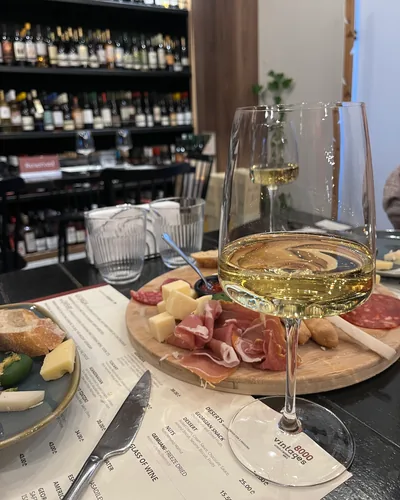
A wine bar in the old town is the easy first night: wine by the glass and staff who'll talk you through it. One reviewer counts around 2,000 wines at 8000 Vintages, plus vending machines offering about 16 wines, paid by card.
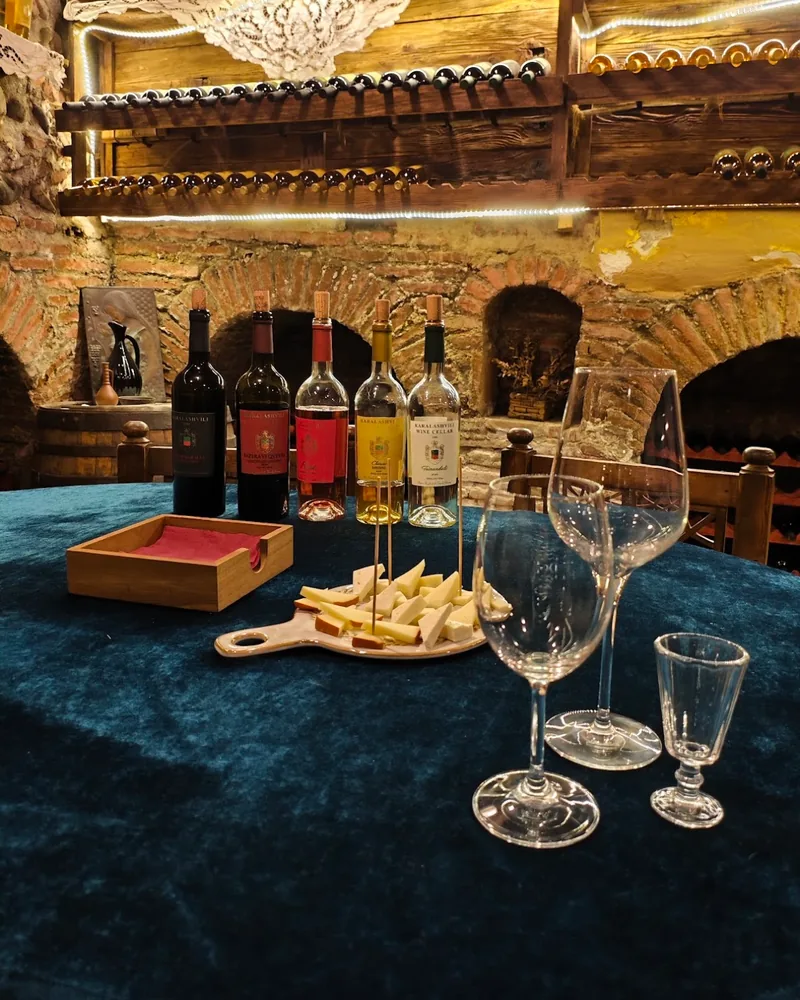
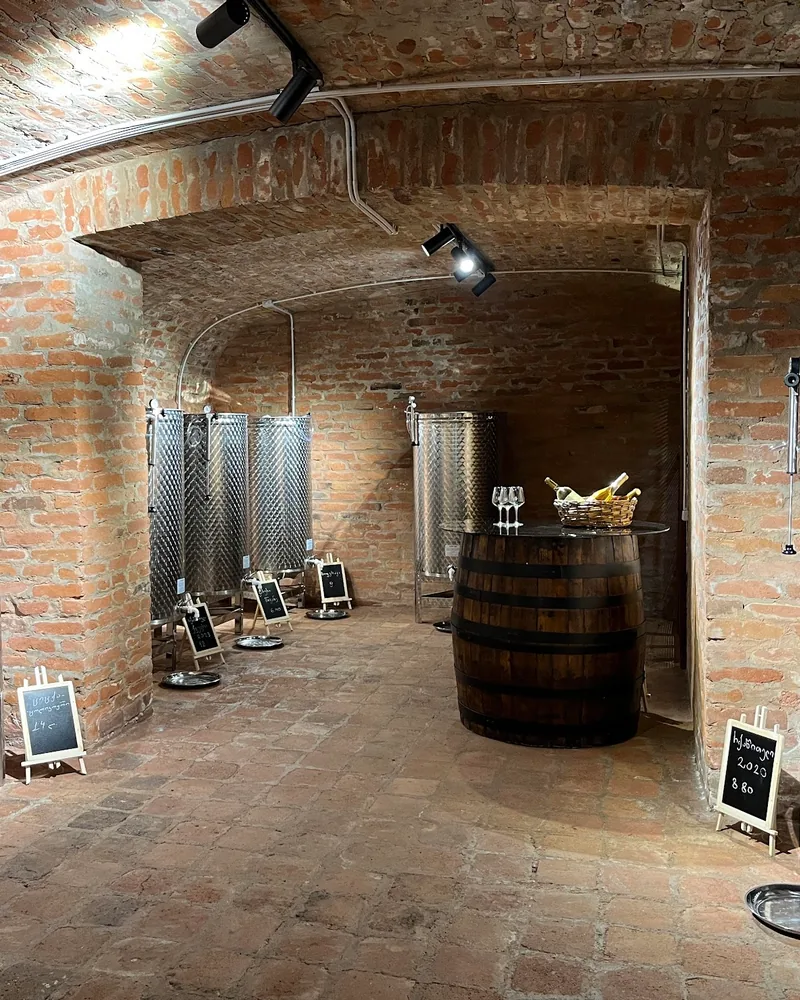
For amber, the natural wine bars lean hardest on small producers and qvevri bottles. A guided tasting in an old cellar is the fastest way through the styles, with 4 to 7 wines and a plate of cheese.
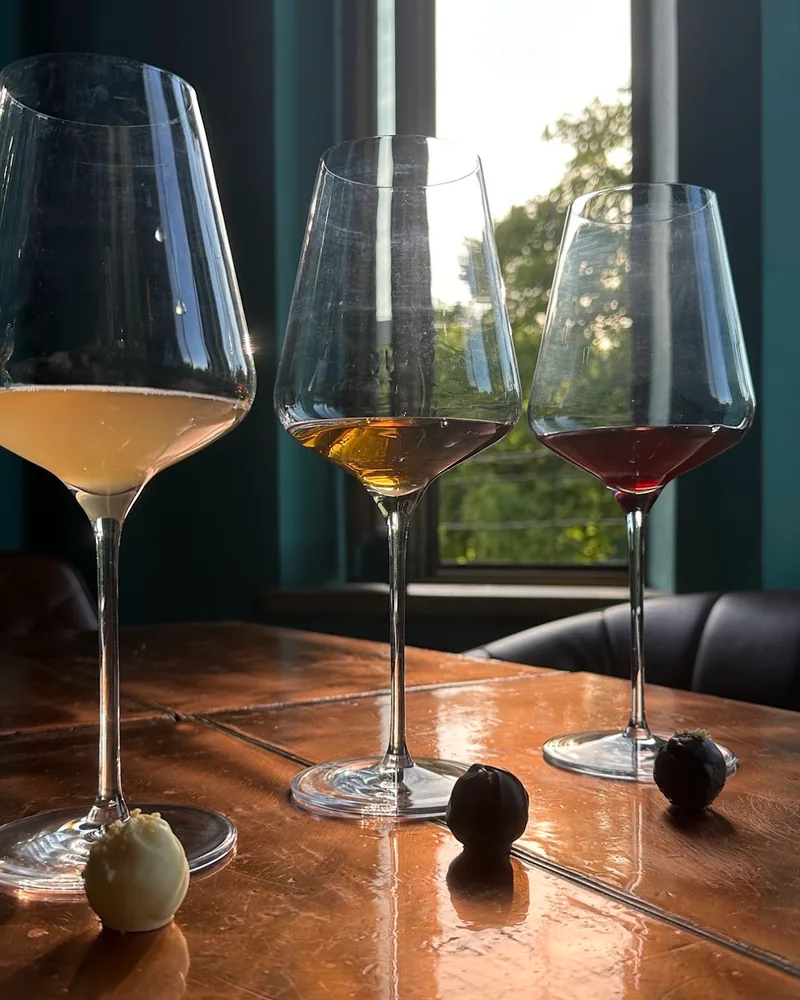
Restaurants pour their own wine too: reviewers have mentioned the homemade wine at Chokhi Veraze, one of the city's khinkali houses, 29 times. At a supra, you drink when the tamada makes a toast, not when you're thirsty.
Taking Georgian wine home
A bottle is the souvenir that survives the trip best, and Tbilisi's wine shops expect you to fly with it. Ask whether a bottle is qvevri or European-style: at Ge-Wine, one reviewer says the staff pointed out which bottles were made the Georgian way and which the European way, then let them taste. Check your own country's customs allowance before you buy a case.
Frequently asked questions
How old is Georgian wine?
About 8,000 years, on the chemical evidence: a 2017 study dated grape wine residue in clay jars from 2 Neolithic villages south of Tbilisi to around 6000 to 5800 BC. The qvevri shape still used today is younger, dating to the 3rd millennium BC.
Is Georgian wine sweet?
Some of it is, and the name on the list tells you which. Kindzmarauli, Akhasheni and Khvanchkara are semi-sweet reds and Tvishi is a semi-sweet white, while Mukuzani, Napareuli, Tsinandali and most ambers are dry, which under the appellation rules means 4 g of sugar a litre or less.
What's the difference between Saperavi and Kindzmarauli?
Saperavi is a grape and Kindzmarauli is a place: a protected appellation in Kvareli, Kakheti, where the wine has to be semi-sweet Saperavi with 18 to 45 g of sugar a litre. A bottle labelled just Saperavi can be dry or sweet, so order Mukuzani if you want a dry one.
Which Georgian wine should I try first?
Order 3 glasses across the styles: a Kakhetian amber from qvevri, a dry Saperavi and a semi-sweet Kindzmarauli or Khvanchkara. That covers the skin-contact whites, the main red grape and the semi-sweet appellations in one sitting, and a tasting flight of 4 does the same job for about 30 GEL.
Can I take Georgian wine home?
Yes, and the wine shops will pack it for the flight: at Wine Store Orbeliani, one reviewer notes a cushioned wrap for 6 GEL extra. How much you can bring in is set by your own country's customs rules, and another reviewer at Patara Dzagli stopped at 8 bottles because of them.