Georgian Grape Varieties: What to Order in Tbilisi
Saperavi, Rkatsiteli, Kisi and 14 more, plus the wine-list names that are places, not grapes

Georgia grows more than 500 native grape varieties, and a Tbilisi wine list will hand you a dozen of them before the bread arrives, most of which you won't have seen on a label anywhere else. This page takes the 17 you're most likely to meet, says what each one tastes like and which style to order it in, decodes the list names that are really places, and tells you where each one is being poured.
Quick summary
- Georgia has more than 500 native grape varieties (525 by the national tourism administration's count), and this page covers the 17 you're most likely to see on a Tbilisi wine list.
- Saperavi is the red to know: Georgia's most planted red grape, red-fleshed and tannic, made dry or semi-sweet at 12 to 14% alcohol.
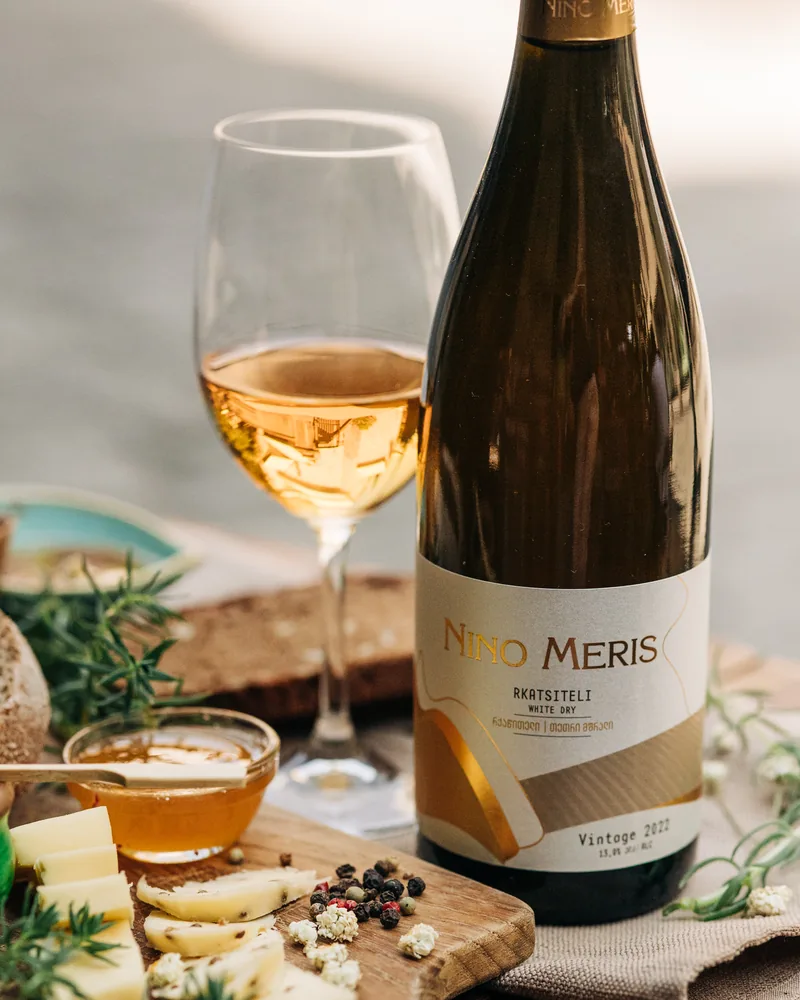
- Rkatsiteli is the white to know, Georgia's most planted grape at 43% of its vineyards in 2014, tasting of citrus and apple made the European way or of honey and apricot from a qvevri.
- Kindzmarauli, Mukuzani, Khvanchkara and Tsinandali are places, not grapes: Mukuzani is dry Saperavi with no more than 4 g/l of sugar, while Kindzmarauli is semi-sweet Saperavi at 18 to 45 g/l.
- Kisi, a Kakheti white down to 20 hectares in 2004, is back, and as an amber wine from the qvevri it tastes of apricot, orange and walnut.
- Draft Saperavi, Rkatsiteli and Kindzmarauli cost 10 to 20 GEL a litre at one Tbilisi wine shop in 2023 and 2024 reviews, against about 20 GEL for a single glass in a wine bar.
How many grape varieties Georgia has
Of all the things Georgian wine is known for, the grapes are the part you can order by name, and there are a lot of them. The national tourism administration counts 525 native vine varieties, spread across every wine region from Kakheti in the east to Adjara on the Black Sea.
| Region | Native varieties | Grapes from there on this page |
|---|---|---|
| Kakheti | 80 | Saperavi, Rkatsiteli, Kisi, Mtsvane Kakhuri, Khikhvi |
| Imereti | 74 | Tsolikouri, Tsitska, Krakhuna, Otskhanuri Sapere |
| Kartli | 72 | Chinuri, Goruli Mtsvane, Tavkveri, Shavkapito |
| Samegrelo | 60 | Ojaleshi |
| Guria | 59 | None here |
| Adjara | 53 | None here |
| Abkhazia | 51 | None here |
| Racha-Lechkhumi | 50 | Aleksandrouli, Mujuretuli, Usakhelouri, and Tsolikouri for Tvishi |
| Samtskhe-Javakheti | 26 | None here |
Only a few dozen of them are bottled commercially. The 17 below are the ones worth knowing: the 2 you'll see on almost any list, 3 more Kakheti whites you'll meet as amber wine, and a dozen from Kartli and western Georgia that are worth asking for by name.
Saperavi: the Georgian red to know
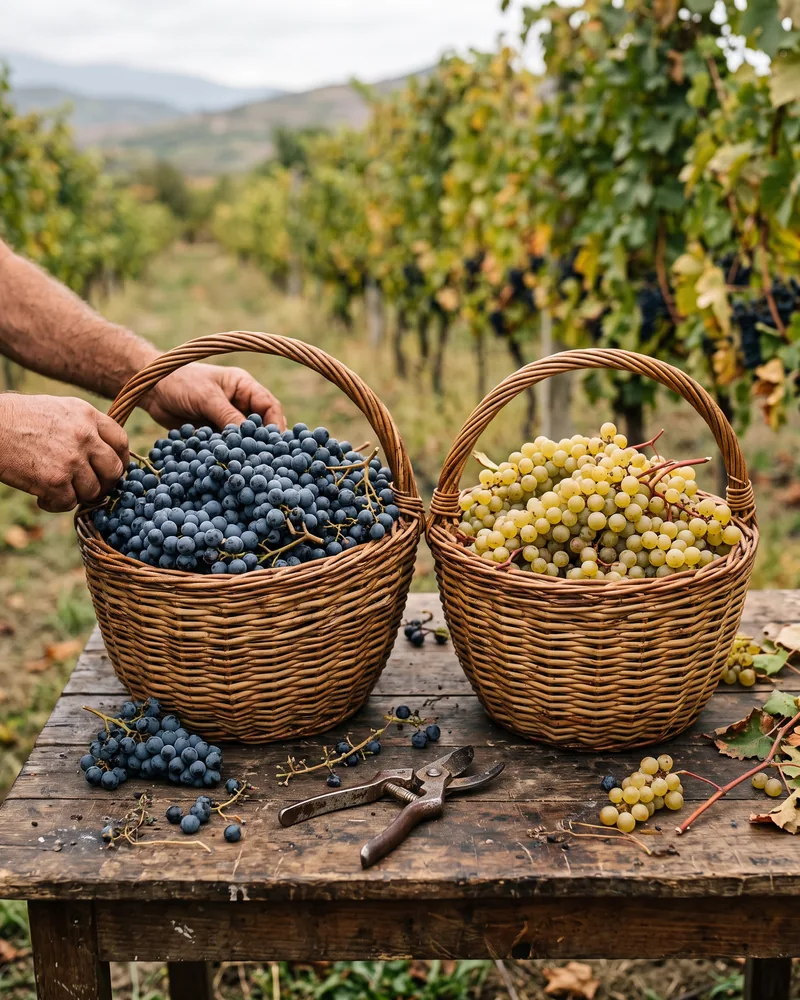
Saperavi is the one red you'll find on almost any Georgian wine list, and you can spot it in the glass. It's one of the few grapes with red flesh as well as red skin, which is why the National Wine Agency translates the name as "something to color with" and why the wine comes out close to opaque.
Expect dark berries, liquorice, tobacco and spice, with firm tannin and high acidity, at 12 to 14% alcohol. It's Georgia's most planted red, and it's made in every style the country has, from dry to sweet and fortified, in a qvevri or in oak.
Dry or semi-sweet: the choice that matters
The name on the list tells you which Saperavi you're getting. Mukuzani and Napareuli are dry, while Kindzmarauli and Akhasheni are semi-sweet and made to drink within 1 to 2 years of bottling; a serious dry Saperavi can age for 10 years or more.
Dry Saperavi is the bottle for a plate of mtsvadi off the grill, where the tannin has some fat to work on. In Tbilisi, one reviewer at WineCode took a Saperavi on the sommelier's say-so, and one at Wine Boutique called a 2022 bottle balanced, with no extra acidity or tannin.
Rkatsiteli: Georgia's most planted white
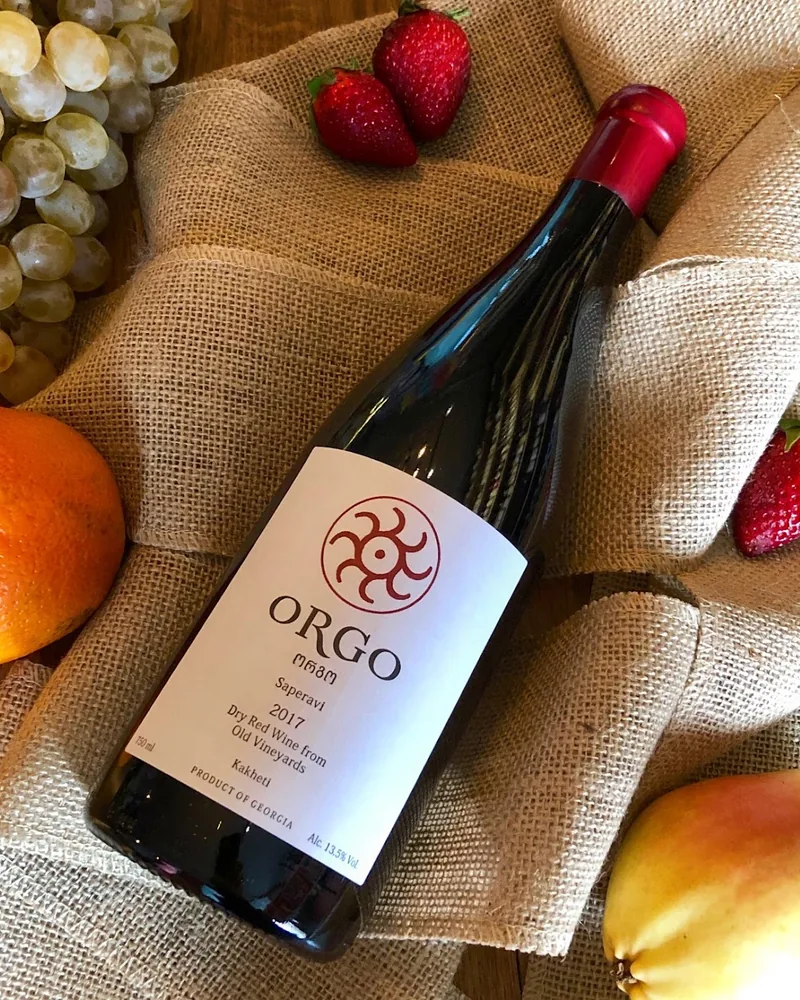
Rkatsiteli covered 43% of Georgia's vineyards in 2014, about 20,000 hectares, which makes it the country's most planted grape of either colour. The name means "red stem", from rka, the vine cane, and tsiteli, red.
It ripens late, in early October, and holds on to its acidity, so it works 2 ways. Made the European way, off the skins, it's a crisp white of citrus, quince and apple; left on its skins in a qvevri it turns amber and moderately tannic, with honey, dried orange peel and apricot.
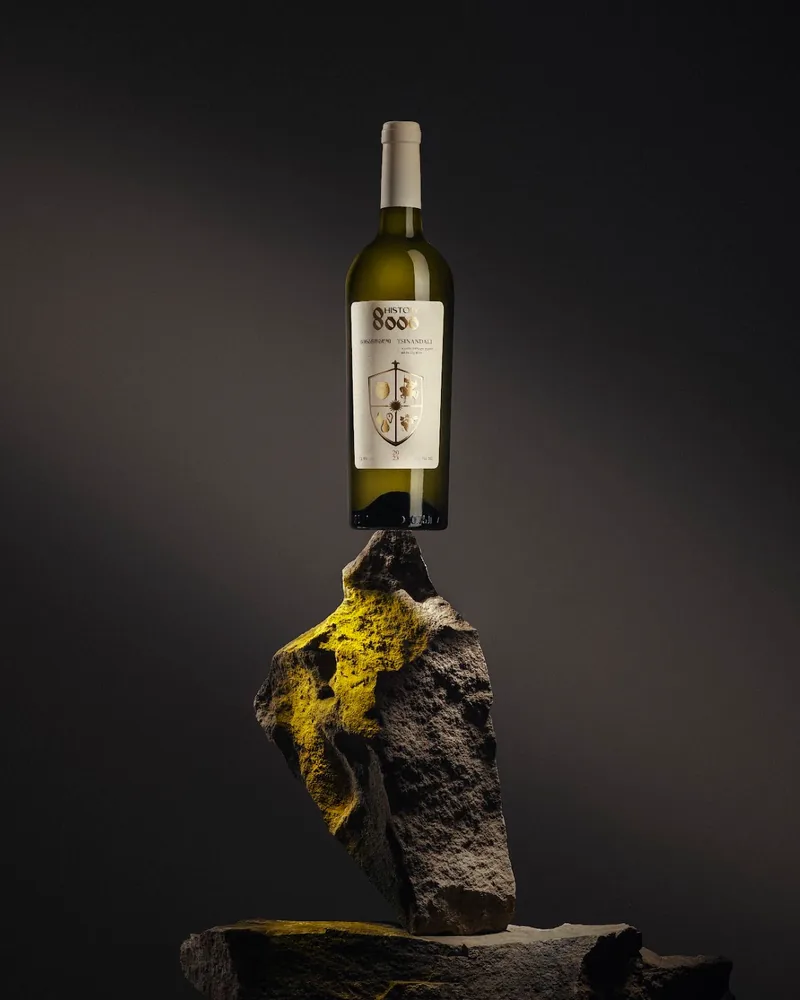
On a list, Tsinandali means at least 85% Rkatsiteli, and Gurjaani and Vazisubani are Rkatsiteli appellations too. What's left after pressing, the skins and pips, is what chacha is distilled from, and 2 of the chachas Chacha Time's Instagram featured in September 2026 name Rkatsiteli among their grapes.
Kisi, Mtsvane and Khikhvi: the whites to drink as amber
These 3 Kakheti whites grow alongside Rkatsiteli and, like it, come 2 ways: crisp in the European style or amber from a qvevri. Kisi is the one to start with as amber wine, where months on its skins give it apricot, mango, orange and walnut.
Kisi
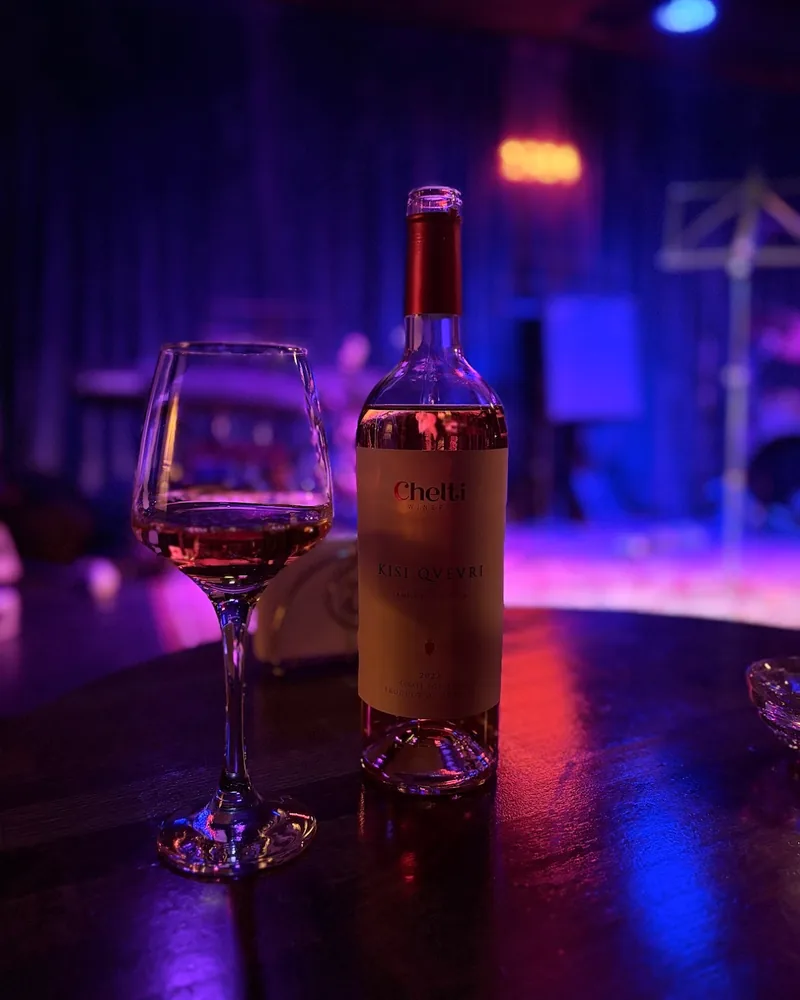
Kisi was almost extinct by 2000, squeezed out by the Soviet preference for Rkatsiteli, and in 2004 Georgia had just 20 hectares of it, 18 of them in Akhmeta. It's being replanted, it got its own appellation, Kisi Magraani, in 2021, and made the European way it's floral, with pear, citrus and green tea.
In Tbilisi it turns up in reviews at several of the wine shops and bars on our lists. At Badagoni on Freedom Square, one reviewer was introduced to Kisi by the staff's wine expert over dinner.
Mtsvane Kakhuri
Mtsvane Kakhuri, usually just Mtsvane on a list, means "green Kakheti" and is one of 6 different Mtsvane grapes in Georgia, thought by the National Wine Agency to be older than Rkatsiteli. The European style gives white peach, citrus and a light mineral edge; the qvevri pushes it darker, towards apricot and stone fruit.
Manavi on a list means Mtsvane on its own, and Mtsvane is also the up to 15% of Tsinandali that isn't Rkatsiteli. One reviewer's pick at 144 Stairs, a rooftop 144 steps up, is the white Mtsvane with the khinkali in cream sauce.
Khikhvi
Khikhvi grows on the right bank of the Alazani and gives a softer white, moderate in alcohol and gentle in acidity, that smells of boxwood and wild flowers with ripe yellow fruit and apricot. The qvevri brings out dried fruit and flowers, and it's also made semi-sweet, sweet and fortified, as part of Kardenakhi.
| Grape | European style, off the skins | Qvevri style, amber |
|---|---|---|
| Rkatsiteli | Citrus, quince, apple, a little floral | Honey, dried orange peel, apricot, spice, some tannin |
| Mtsvane Kakhuri | White peach, citrus, tropical fruit, light mineral | Darker, towards apricot and stone fruit |
| Kisi | Pear, citrus, green tea, floral | Apricot, mango, lime, orange, walnut |
| Khikhvi | Boxwood, wild flowers, ripe yellow fruit | Dried fruit and flowers |
| Chinuri | Mint, pear, herbs, floral | Muskier and tannic, dried pear and apricot |
Chinuri, Goruli Mtsvane, Tavkveri and Shavkapito: the Kartli grapes
Kartli, the region around Gori, west of Tbilisi, is known for European-style and sparkling wine. Its white to know, Chinuri, tastes of mint, pear and herbs, comes still or sparkling, and probably takes its name from chinebuli, "excellent".
Chinuri is the base of Atenuri, Georgia's sparkling appellation, which may also take Goruli Mtsvane, Kartli's other white. At Italian Pasta, one reviewer found the Chinuri more refreshing and easier to drink than the Rkatsiteli poured beside it.
Kartli's reds are the answer when Saperavi feels like too much. Tavkveri, "hammerhead" for the flat top of its berry, makes a middle-weight dry red of bright cherry and herbs with an earthy edge, and its flowers are functionally female, so growers plant it beside Chinuri or Goruli Mtsvane.
Tavkveri is rare, with just 29 hectares in 2004, and it also turns up as rosé and sparkling. Shavkapito, the other Kartli red, is made as a dry red or a rosé.
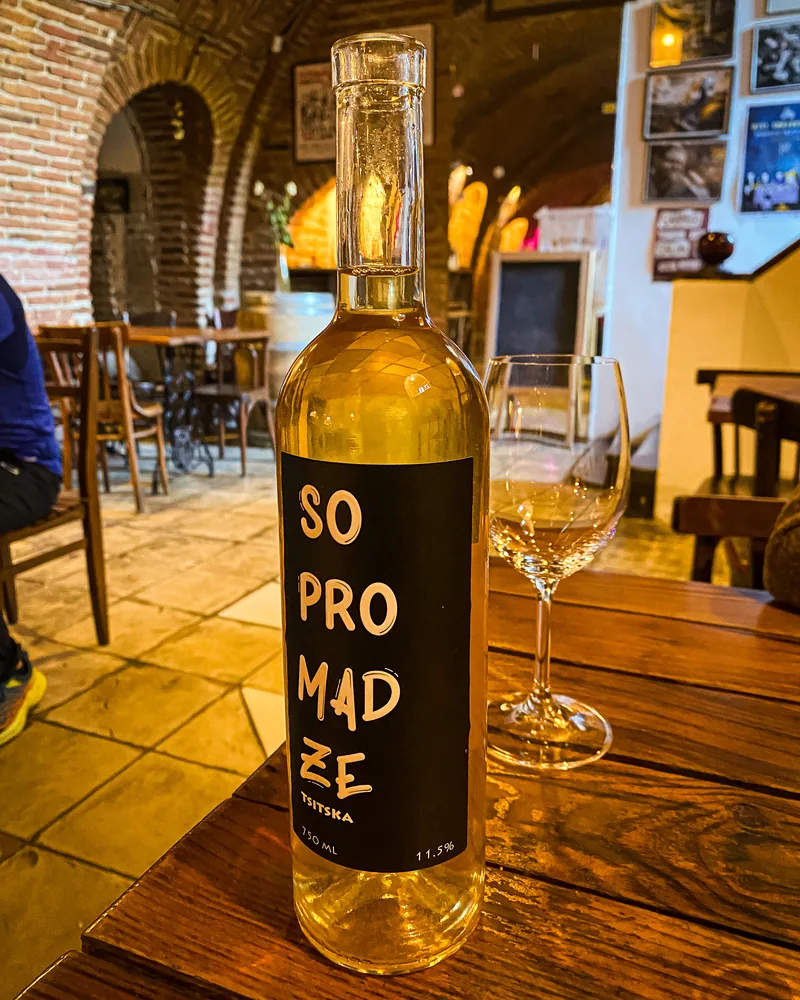
Tsolikouri, Tsitska and Krakhuna: the Imereti whites
Imereti, in western Georgia, does qvevri wine its own way. The qvevri there is called a churi, the winemaker adds at most a third of the skins instead of all of them, and the wine comes off them after about 2 months, which the National Wine Agency says gives a yellow, full, harmonious white.
Tsolikouri grows in Imereti and in Racha-Lechkhumi, where it makes Tvishi, a naturally semi-sweet white, and it's made dry as well. Tsitska makes dry and sparkling whites, and Krakhuna dry whites.
The National Wine Agency names Imereti's famous wines as Sviri Krakhuna, Obchuri Tsolikouri and Kvalituri Tsitska. Sviri is also an appellation that blends all 3 grapes.
Khvanchkara and the rare western reds
Start with Khvanchkara, because it looks like a grape on a list and isn't one: it's a place. It's a small zone in Ambrolauri, in Racha, on both banks of the Rioni, and its rules allow only 2 grapes, Aleksandrouli and Mujuretuli, made naturally semi-sweet with 30 to 45 g/l of sugar.
The 2 are distinct varieties with a common ancestor, and Mujuretuli is mostly planted in among the Aleksandrouli. It's also rare: 58 hectares in 2004, all of them in Ambrolauri.
| Grape | Where it grows | Appellation | Worth knowing |
|---|---|---|---|
| Aleksandrouli | Racha, along the Rioni | Khvanchkara | One of Khvanchkara's 2 grapes, and also made dry |
| Mujuretuli | Ambrolauri, Racha | Khvanchkara | 58 hectares in 2004, grown in among the Aleksandrouli |
| Ojaleshi | Samegrelo | Salkhino Ojaleshi, 2020 | A late harvest on the coast, from November and sometimes to the end of January |
| Otskhanuri Sapere | Imereti | Sazanos Otskhanuri, 2025 | Georgia's newest appellation, registered on 30 Sep 2025 |
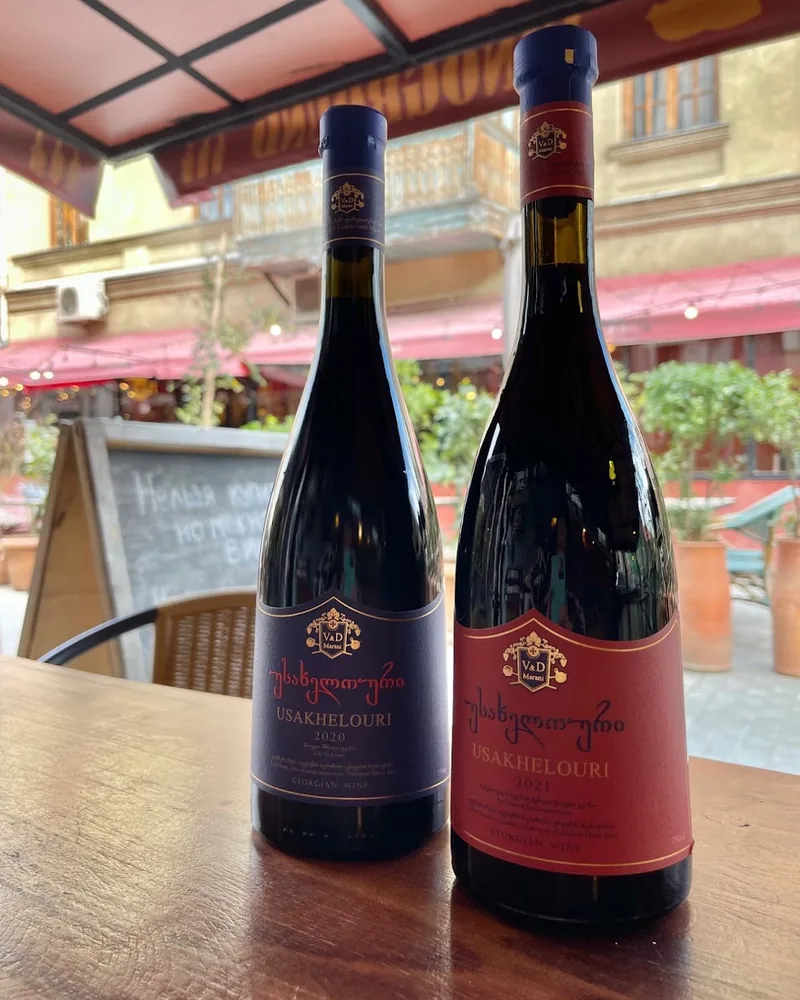
| Usakhelouri | Lechkhumi | Okureshis Usakhelouri, 2022 | One of Lechkhumi's most notable wines, says the National Wine Agency |
Grapes this rare are where the natural wine bars and the small wine shops earn their keep, so ask there rather than scanning a restaurant list. Usakhelouri has enough of a name that a restaurant by the Abanotubani baths is named after it, and its own listing calls Usakhelouri historically the most famous Georgian wine.
Wine-list names that are places, not grapes
Much of the confusion on a Georgian wine list comes from names like Kindzmarauli and Mukuzani, which aren't grapes at all. They're protected appellations, villages or small zones with rules on which grapes go in and how sweet the wine can be, and the National Wine Agency's register lists more than 30 of them.
| Name on the list | Grape | What's in the glass |
|---|---|---|
| Mukuzani | Saperavi | Dry red, no more than 4 g/l of sugar; if aged, at least 6 months in wood |
| Napareuli | Saperavi | Dry red |
| Kindzmarauli | Saperavi | Naturally semi-sweet red, 18 to 45 g/l of sugar |
| Akhasheni | Saperavi | Semi-sweet red |
| Khvanchkara | Aleksandrouli and Mujuretuli | Naturally semi-sweet red, 30 to 45 g/l of sugar |
| Tsinandali | At least 85% Rkatsiteli, up to 15% Mtsvane | Dry white, no more than 4 g/l of sugar |
| Manavi | Mtsvane Kakhuri | Dry white |
| Kisi Magraani | Kisi | Dry white, or dry amber left on its skins until 1 February |
| Kardenakhi | Mostly Rkatsiteli, sometimes with Mtsvane or Khikhvi | Fortified white |
| Tvishi | Tsolikouri | Naturally semi-sweet white |
| Sviri | Tsitska, Tsolikouri and Krakhuna | Imeretian white |
| Atenuri | Chinuri, sometimes with Goruli Mtsvane | Sparkling white |
The grape name on its own tells you less than it seems, since Saperavi and Rkatsiteli come dry, semi-sweet, amber or fortified. When a list gives only the grape, ask whether it's dry and whether it's from the qvevri, and you'll know what's coming.
Which Georgian grape to order, by what you drink at home
The quickest way in is to start from what you already like. Each match below comes from the tasting notes on this page, so use it for your first glass and let the bar steer the second.
| If you like | Order | Why |
|---|---|---|
| Cabernet Sauvignon or Syrah | Dry Saperavi, Mukuzani or Napareuli | Dark fruit, firm tannin, high acidity |
| A lighter red | Tavkveri | Middle-weight, bright cherry and herbs |
| A sweeter red | Kindzmarauli or Khvanchkara | Naturally semi-sweet, 18 to 45 g/l of sugar |
| Crisp, dry whites | European-style Rkatsiteli, or Tsinandali | Citrus, quince and apple, with acidity |
| Aromatic whites | Mtsvane, Manavi or Khikhvi | White peach, flowers, softer acidity |
| Orange or natural wine | Kisi or Rkatsiteli from the qvevri | Months on the skins: apricot, walnut, tannin |
| Champagne or other fizz | Atenuri, or a sparkling Chinuri | Georgia's sparkling appellation |
The easiest way to learn these grapes is a glass at a time in a wine bar, before you commit to a bottle. Don't count on every bottle being open by the glass, though: one reviewer at a winery's bar in the old town was refused the 20 GEL glasses because the bar wouldn't open a whole bottle for 1 pour.
Where to drink each grape in Tbilisi, and what it costs
For breadth, book a tasting: it's the cheapest way through half a dozen grapes with someone telling you which is which. For everyday drinking, several wine shops sell draft wine by the litre, and a litre costs about what a single glass does in a wine bar.
| What | Price | Where and when |
|---|---|---|
| Draft dry Saperavi, 1 litre | 10 GEL | Wine Time, 2024 |
| Draft Rkatsiteli, 1 litre | 15 GEL | Wine Time, 2023 |
| Draft Kindzmarauli, 1 litre | 20 GEL | Wine Time, 2023 |
| Bottle of dry amber wine | 30 to 35 GEL | Wine Time, 2024 |
| Bottle of Mtsvane | Under 50 GEL | 8000 Vintages, 2026 |
| Glass at a wine bar or shop bar | 20 GEL | Dionysus Wine Shop and Chateau Mukhrani Wine Bar, 2026 |
| Tasting, 4 wines | 30 GEL | Patara Dzagli, 2026 |
| Tasting, 7 wines | 50 GEL | Sancho Wine Bar, 2024 |
Frequently asked questions
How many grape varieties does Georgia have?
More than 500: the Georgian National Tourism Administration counts 525 native varieties, with the most in Kakheti (80), Imereti (74) and Kartli (72). Only a few dozen are made into wine commercially. This page covers the 17 you're most likely to meet on a Tbilisi wine list, led by Saperavi and Rkatsiteli.
What is the most famous Georgian grape?
Saperavi for red and Rkatsiteli for white. Saperavi is Georgia's most planted red, a red-fleshed grape that makes inky, tannic wine, dry or semi-sweet. Rkatsiteli is the most planted grape of all, on 43% of vineyards in 2014, and it makes both crisp whites and amber wine. Kisi is the white to watch, back from near extinction by 2000.
Is Kindzmarauli a grape?
No, Kindzmarauli is a place: a protected zone in Kvareli, in Kakheti, whose wine must be made from Saperavi. By its rules it's a naturally semi-sweet red with 18 to 45 g/l of sugar, so it tastes noticeably sweet. If you want the dry version of the same grape, order a Mukuzani, a Napareuli or simply a dry Saperavi.
What is the difference between Mukuzani and Kindzmarauli?
Sweetness. Both are Saperavi from Kakheti, but Mukuzani is dry, with no more than 4 g/l of sugar, and Kindzmarauli is naturally semi-sweet at 18 to 45 g/l. Mukuzani may be aged in wood, for at least 6 months if it is, and it suits grilled meat. Kindzmarauli is made to drink young, within 1 to 2 years, and suits dessert.
What grapes are in Khvanchkara?
Only 2, Aleksandrouli and Mujuretuli, both from Racha, and its rules allow nothing else. Khvanchkara is a small zone in Ambrolauri on both banks of the Rioni, and its wine is a naturally semi-sweet red with 30 to 45 g/l of sugar and at least 11% alcohol. Mujuretuli is rare, with just 58 hectares planted in 2004, all of them in Ambrolauri.
Which Georgian white should I try first?
A European-style Rkatsiteli, then a Kisi from the qvevri. The Rkatsiteli shows you the crisp side of Georgian white wine, with citrus, quince and apple; the Kisi shows you what months on the skins do, with apricot, orange and walnut. If you like aromatic whites, add a Mtsvane, which tastes of white peach, citrus and flowers.
Which Georgian grapes make amber wine?
Any white grape can, and the National Wine Agency gives qvevri tasting notes for 5: Rkatsiteli, Kisi, Mtsvane Kakhuri, Khikhvi and Chinuri. In Kakheti all the skins, stalks and pips go into the qvevri and a white stays on them until spring; in Imereti a third at most goes in. Kisi Magraani's amber must stay on its skins until 1 February.